
How Does PUWER Affect Equipment Inspections? - Workplace Inspection Checklists
How Does PUWER Affect Equipment Inspections?
The Provision and Use of Work Equipment Regulations 1998 (PUWER) plays an important role in ensuring that workplace equipment is safe, properly maintained, and suitable for the tasks it is used for. PUWER affects equipment inspections by placing legal responsibilities on employers to ensure that work equipment is regularly checked, maintained, and inspected where necessary to prevent risks to employees and others. These requirements apply to a wide range of equipment, including forklifts, machinery, vehicles, and industrial tools.
Under PUWER, employers must ensure that equipment is suitable for its intended purpose and remains safe throughout its working life. This means inspections should be carried out at appropriate intervals based on factors such as the type of equipment, how frequently it is used, the working environment, and the risks associated with failure. Regular inspections help identify faults, wear, or damage before they develop into serious safety issues.
For forklift operations, PUWER supports the need for routine pre-use inspections before equipment is operated. Operators should check key safety components such as forks, mast, tyres, brakes, steering, hydraulic systems, warning devices, lights, and safety features. These checks help identify defects that could affect safe operation, allowing problems to be reported and corrected before the forklift is used.
PUWER also requires employers to ensure that equipment is properly maintained and that any necessary repairs are completed promptly. If an inspection identifies a defect that could create a risk, the equipment should be removed from service until it has been repaired and confirmed as safe to use. For example, a forklift with damaged forks, faulty brakes, or a hydraulic leak should be marked “Do Not Use” and prevented from operating until the issue has been resolved.
Another important aspect of PUWER is ensuring that inspections are carried out by people with the appropriate knowledge and competence. Employers must provide adequate training and information so that operators understand how to use equipment safely and how to identify obvious defects during routine checks. More detailed inspections may require a competent person with suitable expertise, depending on the equipment and the risks involved.
PUWER also requires employers to keep equipment inspection and maintenance records where appropriate. Accurate records help demonstrate that safety checks have been completed, provide evidence of compliance, and support effective maintenance planning. They also help organisations identify recurring problems and take preventative action to reduce equipment failures.
Overall, PUWER affects equipment inspections by creating a structured approach to workplace equipment safety. It ensures that equipment is suitable, maintained correctly, inspected regularly, and only used when it is safe to operate. By following PUWER requirements, businesses can reduce workplace risks, improve equipment reliability, and create safer working environments for employees and operators.
There are no products to list in this category.
News & Events

Global Glass Bottle Maker Fined £600k After Worker Burned
A global glass bottle manufacturer has been fined £600,000 after a worker suffered burns when molten glass and hot water spilled into his cab. O-I Glass Limited pleaded guilty to a single health and safety charge following the incident at its Glasshouse Loan site in Alloa on 3 February 2024. The 32-year-old employee sustained scald burns covering eight percent of his body but has since made a full recovery. The company employs around 500 people at the Alloa site, which operates continuously to produce glass bottles. Furnaces used to smelt raw materials are located above two glass reject basements containing large, moveable skips. These skips collect molten or formed glass rejected during the...Continue...
Father jailed after killing his three-year old child in tragic accident
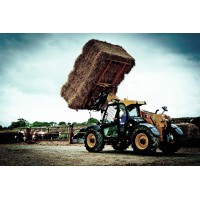
A joint investigation by the Health and Safety Executive (HSE) and Greater Manchester Police was conducted after a three-year-old died on the 16th July 2022. The investigation identified that Mr Speakman failed to ensure there was a safe segregated area for Albie to play in. Instead, Albie was able to move around the farm while vehicles were being driven / operated. Mr Speakman had borrowed a telehandler from a neighbour, and while he had previously used the vehicle, he was not appropriately trained. Additionally, the telehandler being driven was in poor condition, it was missing a wing mirror on the passenger’s side, and the driver’s side wing mirror was dirty – severely reduc...Continue...
National Grounds Week 2025
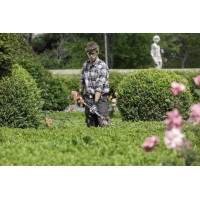
GroundsWeek is an annual celebration of the often overlooked groundskeeper, who plays a vital role in maintaining the green spaces that enhance our lives and support mental and physical well-being. The week is marked by activities and campaigns to promote the profession, share best practices, and appreciate the work groundskeeping professionals accomplish. An entire week dedicated to highlighting the skills of grounds staff, whilst inspiring everyone to appreciate the industry. Groundskeepers Roles and Responsibilities It requires specialist training to enable for a grounds person to carry out their daily activities such as mowing, hedge-cutting, strimming and leaf blowing....Continue...
Managing Warehouse Equipment
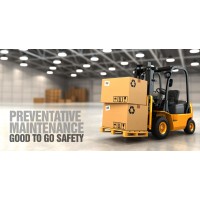
Thorough inspection checklists of all warehouse equipment are required under Health and Safety law: LOLER 1998 & PUWER 1998 Asking employees to perform pre-use inspections before using forklifts, pallet trucks, racking, ladders, tow tractors, podium steps or any other warehouse equipment is not only a smart and responsible policy to enforce, but is also required by law. Good to Go Safety provides companies easy-to-use inspections which enable competent employees to walk-through a series of checks to ensure that their warehouse equipment is safe to use. Each inspection only takes a short time to complete but ensures equipment is safe and provides invaluable evidence should an accident o...Continue...

Employer given a suspended prison sentence after worker falls from scaffolding
An investigation was conducted by the Health and Safety Executive (HSE) following a serious incident on the 13th June 2023. A father of three sustained serious injuries after falling more than 25 feet (7.5 metres) whilst manually carrying roof tiles down a ladder attached to fixed scaffolding. Devon Air Ambulance took Mr Ian Smith to the hospital where he was put into an induced coma for five days. He has since made a fantastic recovery however still suffers from his injuries, which included five broken vertebrae as well as skull and rib fractures. His employer, Daniel Hooper (self-employed) was given a 16-week custodial sentence (suspended for 12months) following the incident...Continue...